Introduction
In today’s digital age, social media has transformed how businesses interact with their customers. Whether it’s a startup, a small business, or a large corporation, social media (SMM) has become an essential tool for reaching and engaging with the target audience. But what exactly is social media marketing, and why is it so important for businesses? Let’s dive deep into this topic to understand its significance.
What is Social Media Marketing?
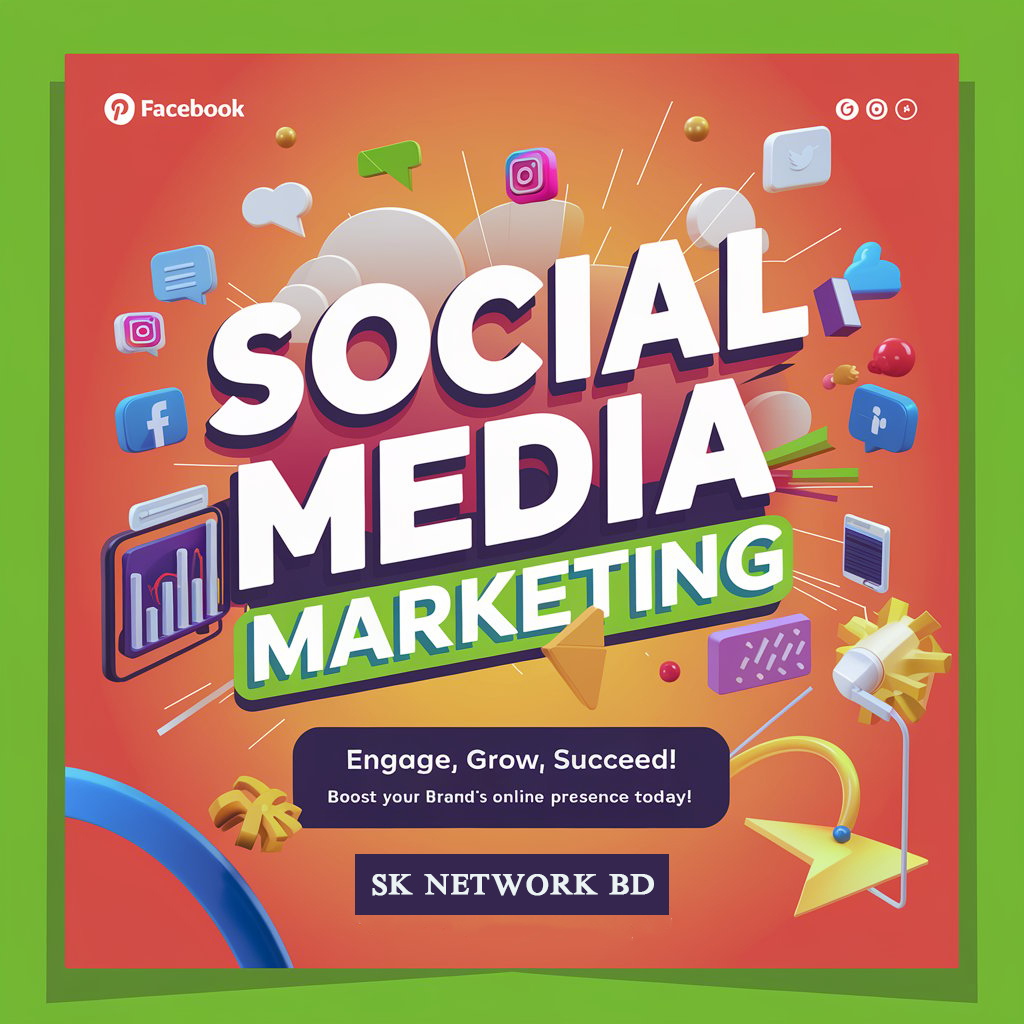
Social Media Marketing (SMM) is the practice of using social media platforms such as Facebook, Instagram, Twitter, LinkedIn, and TikTok to promote products or services. It involves creating and sharing engaging content, running advertisements, and interacting with followers to build brand awareness, drive traffic, and generate leads.
Key Components of Social Media Marketing
-
-
- Content Creation – Posting high-quality images, videos, infographics, and written content to engage the audience.
-
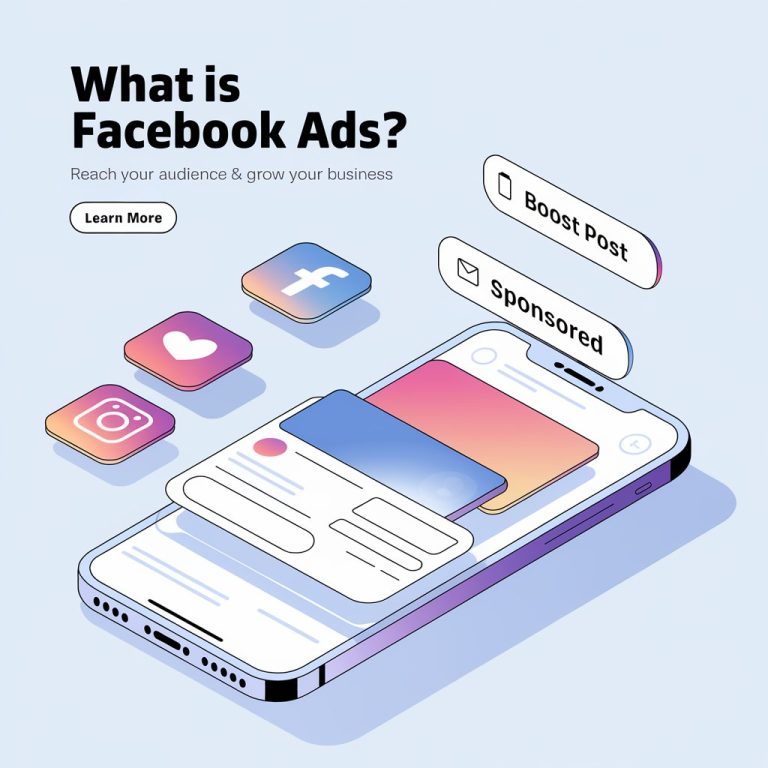
- Social Media Advertising – Running paid ads on platforms like Facebook Ads, Instagram Ads, and LinkedIn Ads.
-
- Community Engagement – Responding to comments, messages, and engaging with customers.
-
- Analytics & Reporting – Monitoring performance metrics like reach, engagement, and conversions.
-
- Influencer Marketing – Partnering with social media influencers to promote products or services.
Why is Social Media Marketing Important for Businesses?
Social marketing plays a crucial role in modern business growth. Here’s why it’s essential:
1. Increases Brand Awareness
With billions of active users on social media platforms, businesses can reach a wider audience than ever before. Regular posting and engaging content help brands become more recognizable, increasing trust and credibility.
2. Cost-Effective Marketing Strategy
Compared to traditional marketing methods like TV or print ads, social media marketing is much more affordable. Even with a limited budget, businesses can run targeted ads to reach potential customers.
3. Enhances Customer Engagement
Social media provides direct communication between brands and their customers. Businesses can interact through comments, messages, and polls, creating a strong connection with their audience.
4. Boosts Website Traffic & Sales
By sharing valuable content and promotional offers, businesses can drive traffic to their websites, leading to increased sales and conversions. Platforms like Facebook and Instagram also allow businesses to sell products directly through their marketplace features.
5. Provides Valuable Customer Insights
Social media analytics tools help businesses track user behavior, preferences, and engagement patterns. This data allows them to refine their marketing strategies for better results.
6. Helps Businesses Stay Competitive
In today’s competitive market, businesses that are active on social media have a higher chance of staying relevant. Social media allows businesses to monitor competitors, analyze industry trends, and adapt accordingly.
Many customers now prefer reaching out to businesses via social media for support. Quick responses to customer inquiries and complaints enhance customer satisfaction and build brand loyalty.
Learn more
Conclusion
Social media marketing is no longer optional for businesses—it’s a necessity. Whether you’re looking to increase brand awareness, drive sales, or improve customer relationships, social media provides an effective and affordable way to achieve your goals. By leveraging the power of social media platforms, businesses can stay ahead of the competition and build a strong digital presence.
Are you ready to take your business to the next level with social media marketing? Start today and experience the benefits!