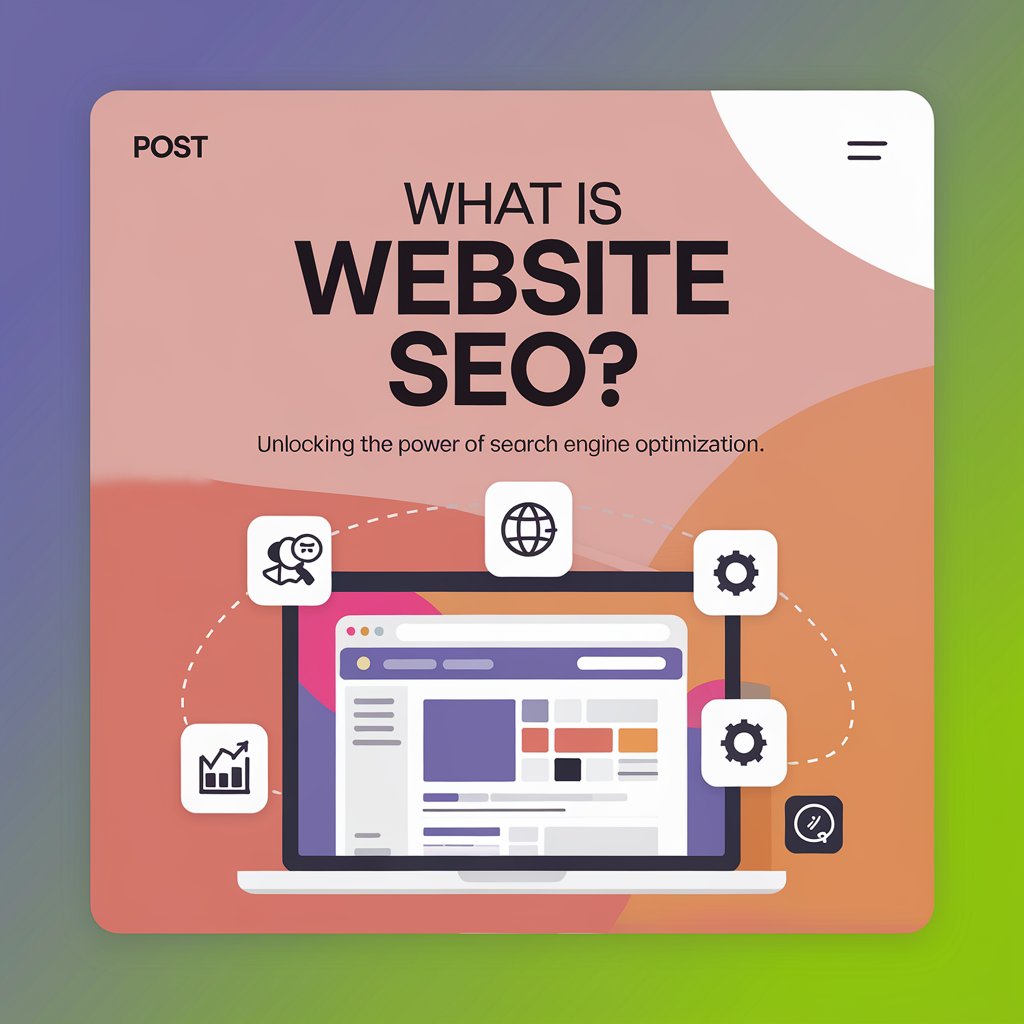
What is website SEO
What Is Website SEO? A Complete Guide
Website SEO (Search Engine Optimization) is the practice of enhancing a website’s visibility on search engine results pages (SERPs) to drive organic (non-paid) traffic. It involves optimizing various elements of a website, both on-page and off-page, to ensure search engines like Google, Bing, and Yahoo can understand, rank, and display the content effectively.
Key Components of Website SEO
- On-Page SEO:
- Content Optimization: Creating high-quality, relevant, and keyword-rich content.
- Meta Tags: Writing compelling meta titles and descriptions for each page.
- URL Structure: Using clean, descriptive, and keyword-friendly URLs.
- Internal Linking: Linking to other relevant pages within your website.
- Image Optimization: Adding alt text and compressing images for faster loading.
- Technical SEO:
- Website Speed: Ensuring your website loads quickly for better user experience.
- Mobile-Friendliness: Making sure your site is responsive and works seamlessly on mobile devices.
- Secure Website (HTTPS): Using SSL certificates to protect user data.
- Crawlability: Allowing search engines to crawl and index your website effectively.
- Fixing Errors: Resolving broken links, 404 errors, and duplicate content.
- Off-Page SEO:
- Backlinks: Earning high-quality links from authoritative websites.
- Social Signals: Sharing your content on social media to increase engagement.
- Online Directories: Ensuring your site is listed on trusted directories like Google My Business. learn more
Why Is Website SEO Important?
- Increases Visibility: Appearing on the first page of search results boosts your chances of being noticed.
- Drives Organic Traffic: SEO attracts visitors who are actively searching for your products or services.
- Improves User Experience: Optimizing your site enhances usability and engagement.
- Cost-Effective Marketing: Unlike paid ads, organic SEO brings long-term benefits without ongoing costs.
- Builds Trust and Credibility: A well-optimized site establishes authority in your niche.
How to Get Started with Website SEO
- Conduct Keyword Research: Use tools like Google Keyword Planner, Ahrefs, or SEMrush to find keywords relevant to your niche.
- Optimize Your Website: Implement on-page, technical, and off-page SEO strategies.
- Track and Analyze: Use tools like Google Analytics and Google Search Console to monitor performance and make improvements.
Final Thoughts
Website SEO is a critical component of digital marketing. By investing in SEO, you can enhance your site’s visibility, attract the right audience, and grow your business online. Whether you’re a beginner or a seasoned professional, mastering website SEO is an ongoing process that delivers substantial long-term rewards.